Let's Talk !  954 342 5676
  +44 137 243 2466

By: Pravin Vazirani
Request A ConsultMaintenance, Repair, and Overhaul (MRO) in aviation refers to the repair, service, or inspection of an aircraft or aircraft component. It encompasses all the activities that ensure safety and ‘airworthiness’ according to international standards.
Here's where we're going if you want to jump ahead:
 The MRO Aviation Forecast: Clear Skies Ahead
Critical Distinctions of Maintenance, Repair, and Overhaul
Understand Where MRO's Been, to Conquer Where It's Going
As annual reports roll in, the aviation industry can expect clear, sunny skies moving forward. Boeing estimates a $4.4 trillion increase in commercial aviation services, and the IATA predicts annual passenger numbers will reach 4.6 billion by 2030, far exceeding pre-pandemic levels.
"The global commercial aircraft market, valued at just over US $191 billion in 2018, is expected to grow at a CAGR of about 2.9% to be valued at around US $255 billion by 2028. The cumulative market for global expenditure on commercial aircraft is valued at US $2.3 trillion over the forecast period."
This explosive growth is driven by digital solutions that boost efficiency and evolve maintenance possibilities. As the aviation market value continues to skyrocket, essential supporting operations like MRO will face greater challenges to meet relentless demands.
Chetu’s tech developers help meet those demands. Working closely with MRO to provide innovative solutions and promote safe, sustainable growth, they expand modification options and customize digital solutions to create lucrative revenue opportunities.
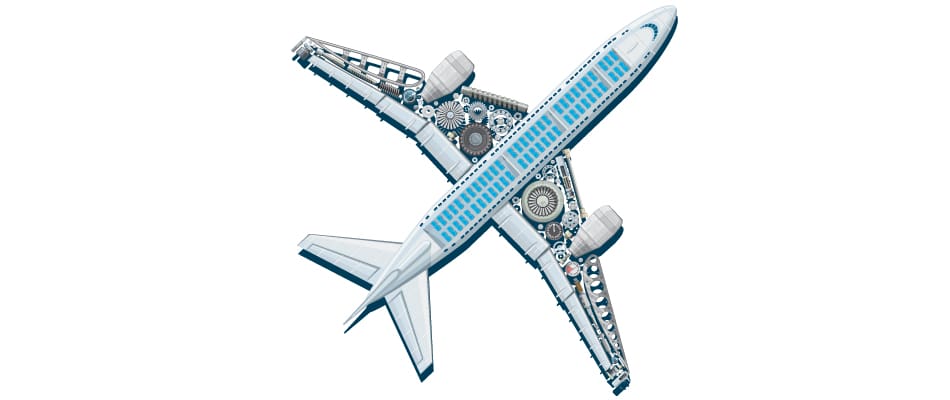
The critical distinctions between maintenance, repair, and overhaul have crucial implications for MRO development.
First, maintenance involves pre-flight checks and preventative work designed to ensure quality and compliance.
Next, aviation repairs focus on restoring engine components to meet airworthiness standards.
Lastly, overhauling focuses on the complete disassembly, inspection, and testing of every component required for peak engine performance and safety.
Regulated by the Federal Aviation Administration, maintenance, repairs, and overhauling are all essential to support industry success.
In the past, Airframe Original Equipment Manufacturers (OEMs) focused mainly on development and production, forcing many airlines to outsource MRO Aviation services from repair shops and system suppliers.
Now, airline operators have internalized MRO to ensure the following critical service items comply with Airworthiness Directives compliance standards:
EBis Software
Hydraulic Power and Systems Units
All Fuel Servicing Equipment
Aircraft Servicing Equipment
All Aircraft Fuselage Equipment
Aircraft Landing Gear Components and Support Equipment
Aircraft Engines
MRO software keeps important operations up with demand. Finally realizing the integral role MRO plays in driving productivity, augmenting safety, and propelling innovation, stakeholders are investing big time.
"The aviation MRO market has witnessed robust growth, climbing from $73.68 billion in 2023 to $79.01 billion in 2024, achieving a CAGR of 7.2% . . . The market is expected to reach $104 billion in 2028, maintaining a CAGR of 7.1%."
And as MRO continues to grow, leveraging new technology to improve air travel experience is becoming increasingly essential.
IoT is a buzzword in the technology landscape, for good reason. When used to augment aviation, IoT helps streamline Condition-Based Maintenance (CBM), incorporating data-driven insight to enhance operations, reduce maintenance delays, and enable predictive maintenance techniques.
But IoT isn’t the only technology promising to transform MRO software. Below are a few other gaming-changing advancements emerging in the aviation industry.
Predictive Analytics: Unprecedented insight into the health of critical safety components allows proactive performance monitoring and MOR scheduling, before critical failure.
Digital Twin Technology: Simulating real-time performance over time helps accurately identify design and aircraft component weaknesses. Integrating predictive analytics and digital twin technologies cuts asset management costs and optimizes critical safety protocols.
Artificial Intelligence: With countless new ways to leverage AI, an autopilot system can assist flight control, learning from data over time to make in-flight decisions and optimize productivity.
Wearables: A by-product of IoT, wearables and robotics provide innovative maintenance options to assist with timely repairs and facilitate connectivity.
Augmented Reality: AR technology is addressing the shortage of available technicians, remotely connecting onsite operators to licensed technical experts.
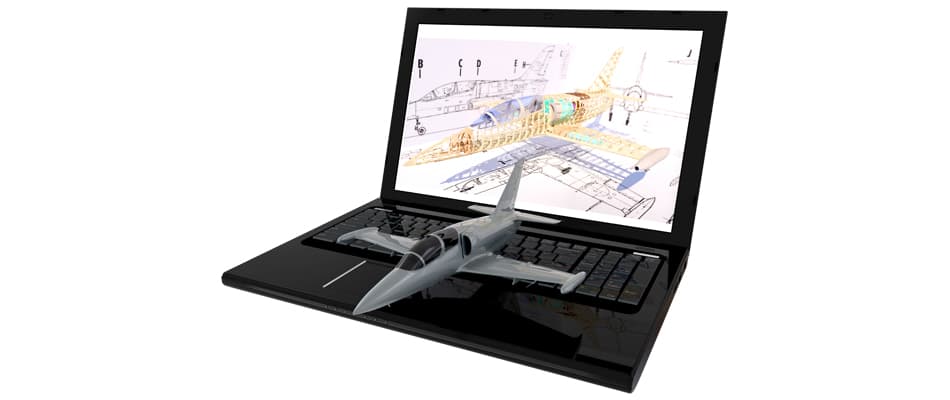
Many airlines are looking to upgrade or purchase MRO software for the first time, but what should you look for in reliable MRO software?
Organizations should consider configurability, customization to your specific needs, scale, and magnitude. Lastly, sustainable MRO software should offer end-to-end solutions from maintenance to in-flight experience.
Most of all, the chosen MRO software should minimize time and effort so you can focus on the customer.
Incorporating technologically augmented MRO software will help the aviation industry meet the increasing demand for travel for years to come. Chetu offers custom MRO software development to streamline MRO processes, increase productivity, and soar the aviation industry to new heights.
Click here to learn more about our custom MRO software services.
Disclaimer:
This content has been made available for information purposes only. Views and opinions expressed in this content are those of the individual author only and do not necessarily represent the opinions and views of Chetu. Chetu, and its representatives, make no representation or warranty of any kind, express or implied, regarding the accuracy, adequacy, validity, reliability, availability, or completeness of any information of this content. Under no circumstances shall Chetu, or its representatives, have any liability to you or any loss or damage of any kind incurred as a result of the use of this content or reliance on any information provided in this content. Your use of this website and your reliance on any information on this content is solely at your own risk.
About Chetu:
Founded in 2000, Chetu empowers businesses with AI and digital transformation solutions, supporting startups, SMBs, and Fortune 5000 companies. We deliver end-to-end software solutions backed by global digital intelligence and industry expertise. Our customized software delivery model and one-stop-shop approach span the full technology spectrum. Headquartered in Sunrise, Florida, Chetu operates 13 locations across the U.S., Europe, and Asia.
See more at: Chetu Blogs


Limited Time Offer for a Free E-Book
Privacy Policy | Legal Policy | Careers | Sitemap | Referral | Contact Us
Copyright © 2000- 2026 Chetu Inc. All Rights Reserved.